
What to Prune When
/There Are Exceptions to the "Prune After Bloom" Rule
We get a lot of questions about pruning!
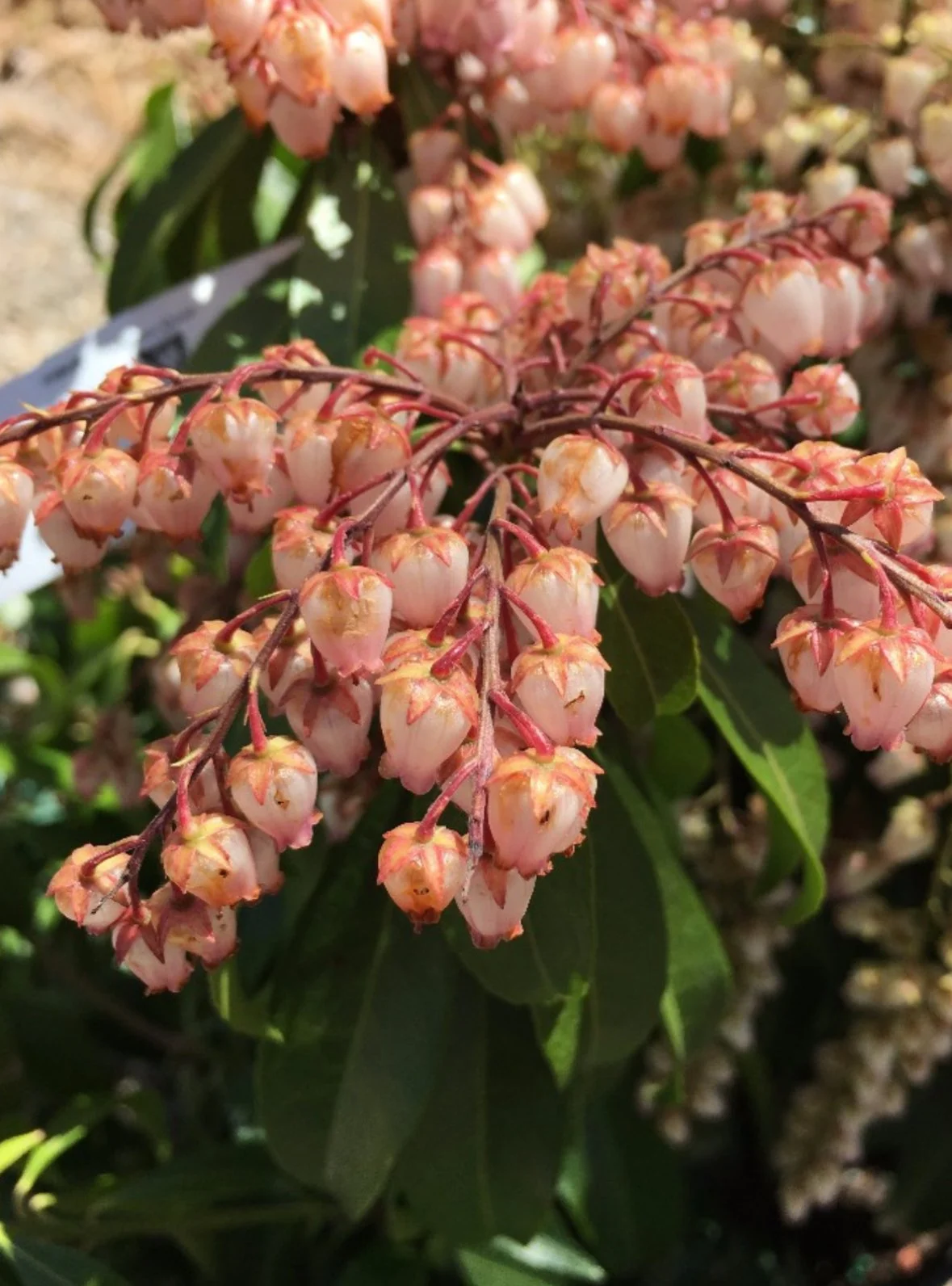
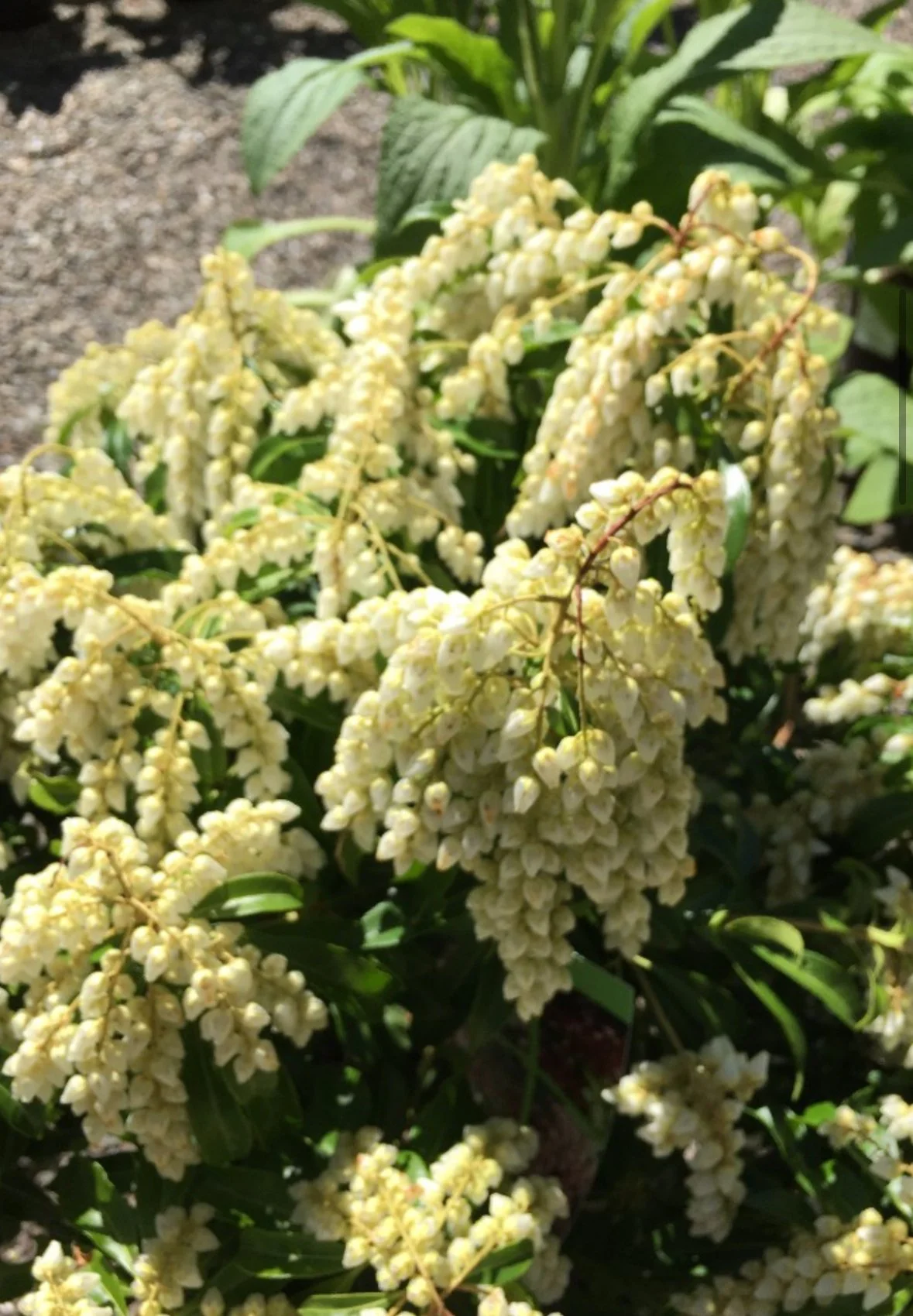
Prune after Bloom is the general rule to follow with all flowering trees and shrubs. Right now is the time to prune Andromedea (peiris). Clip all the spent flowers off and cut down any awkward tall growth. Fertilize with Holly Tone to encourage bushy growth and next year’s blooms, which will form in early summer.
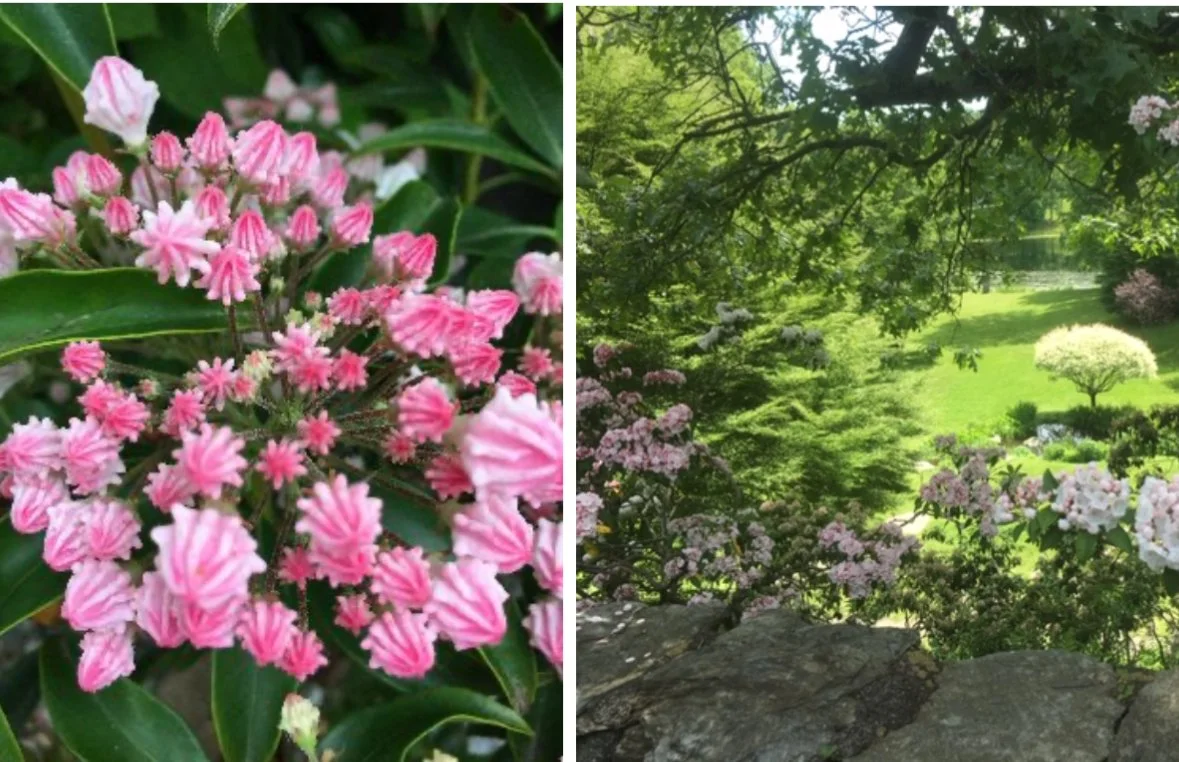
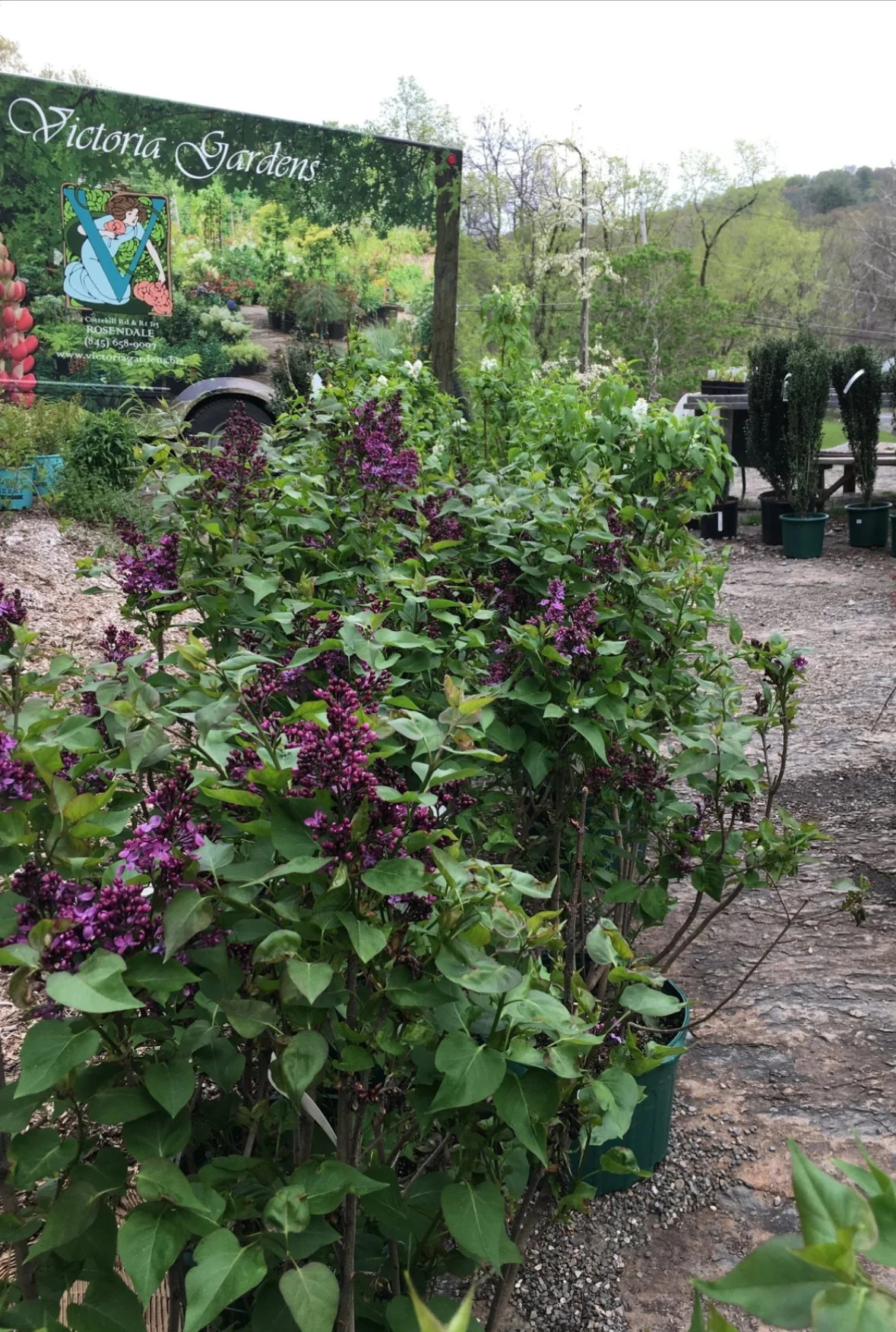
Spring bloomers to prune after bloom: Lilacs, Magnolia trees and flowering crab apples, mountain laurel, Rhododendron, and Azalea varieties, forsythia, mock orange, flowering almond, and bridal wreath Spirea (Spirea x vanhouttei ) and Spirea ‘Mellow Yellow’ (Spireae thunbergii 'Ogon').
Exceptions to the prune after bloom rule:
Dogwoods
Redbuds
Bradford Pears
Pee Gee Hydrangea
These exceptions can be pruned while still dormant, in late winter or early spring, because it is easier to see the structure without flowers or foliage.
Read our "Prune After Bloom" article here.
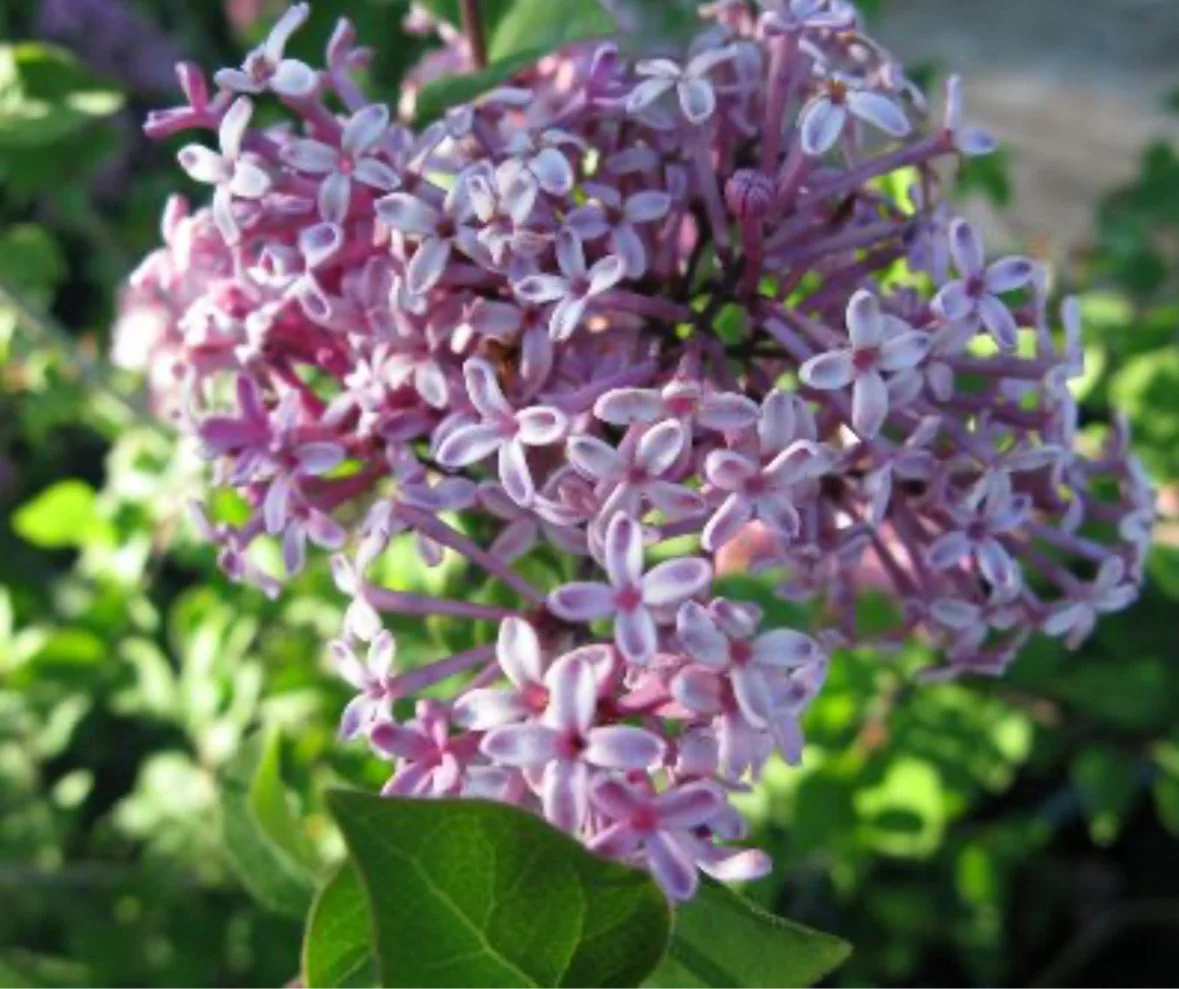
Pruning Lilacs
First of all, Lilacs do not have to be pruned at all, unless you are trying to maintain a smaller size than your variety's natural tendency. There are hundreds of varieties, including a dwarf variety we have in stock, which only grows 3 to 4 high.
That being said, if you are trying to maintain a large variety to a more diminutive size, here are some tips:
Taking cuttings to bring inside is actually a great way to prune the shrubs, because it ensures that you are not pruning too late, and thus removing next year's blooms.
Wait until after the bloom to remove suckers from the base of the plant as well.
Overgrown lilacs that are not blooming well, will benefit from being cut back hard in the winter, but don’t hack it all back at once. If the branches are thick, cut away a third of the shrub each winter. Fertilize with Plant Tone in the spring