Disaster Gardening

Disaster Gardening

On a recent episode of the Garden Show, Victoria Coyne and Sally Spillane spoke about what to do after a wind event or other destructive weather event that wipes out trees in your area.

Here are the big questions and short answers they covered:

  • #1 reason NOT to plant White Pines or Norway Maples, and what trees should you plant?

  • Can you still plant trees or keep trees near your house?

  • Tips for pruning the survivors

Read More

What to Prune When

What to Prune When

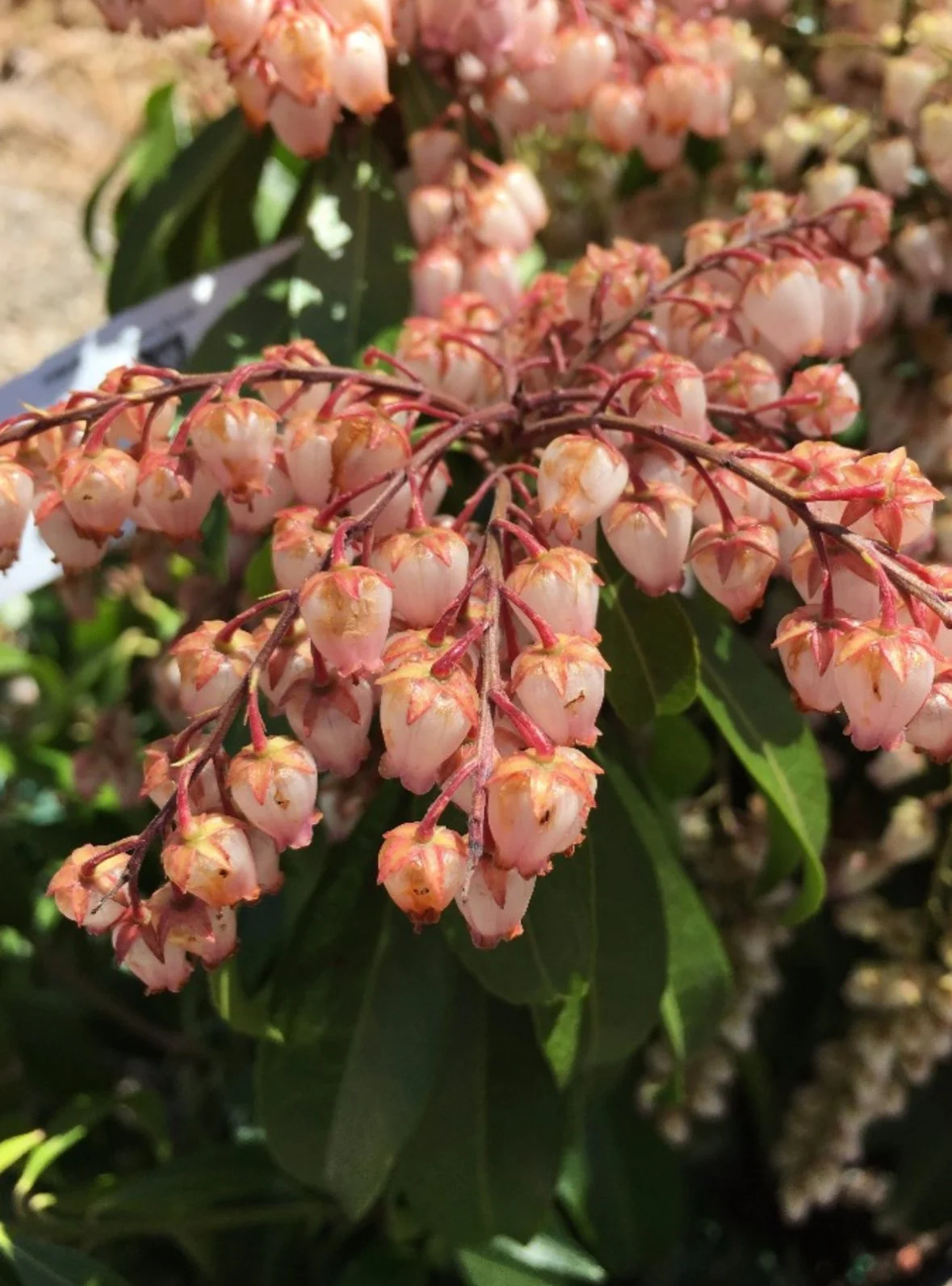
We get a lot of questions about pruning! Prune after Bloom is the general rule to follow with all flowering trees and shrubs, but there are exceptions. Right now is the time to prune Andromedea (peiris). Clip all the spent flowers off and cut down any awkward tall growth. Fertilize with Holly Tone to encourage bushy growth and next year’s blooms, which will form in early summer.

Read More

Spring Clean Up Q&A: How to prune hydrangeas and when

Spring Clean Up Q&A: How to prune hydrangeas and when

Q: Should I cut back my hydrangea plants now?

A: First of all, you are not going to kill your hydrangea if you cut it back or prune it at the wrong time, but you will lose the blooms that you would have had this garden season. So we want to be mindful about when we are pruning, so that we enjoy the maximum number of blooms.


Second, prune-time depends which hydrangea bush you have.

Read More

Your Expert Guide to Early Spring Gardening in the Hudson Valley

Your Expert Guide to Early Spring Gardening in the Hudson Valley

Hudson Valley Magazine did a great article on early spring gardening advice.

They interviewed local professional Gardeners and Garden Designers, including Victoria Coyne from Victoria Gardens. :) The advice she gave is something she also talked about on the March episode of the Garden and Home Show with Sally Spillane on WKZE: Divide but be “quick and quiet.”

Read More

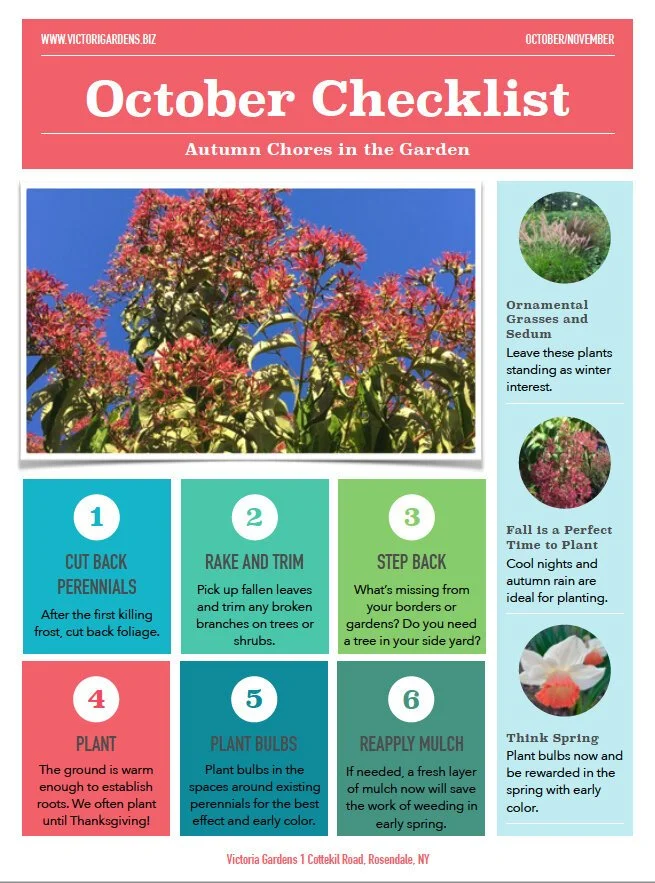
For the Birds: Fall Fruiting Plants

For the Birds: Fall Fruiting Plants

As we move into autumn, there is a way to bring more color, more interest, and more drama into your backyard. By planting fall-fruiting bushes you will have the double benefit of colorful berries and the colorful birds that the berries attract. Many bird species gorge on fall berries before they migrate south and many other species, like cardinals, nuthatches and blue jays stay for the winter and continue to feed off the berries in your garden. Want to attract more birds to your backyard? Start with these attractive, fall-fruiting favorites.

Read More

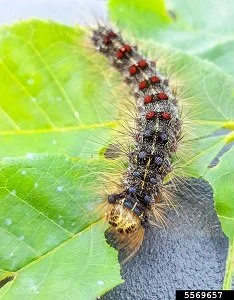
Spongy Moth Invasion

Spongy Moth Invasion

Spongy moths are incredibly destructive!

They defoliate trees and in some circumstances, that defoliation can kill the affected trees.

"Spongy moth populations rise and fall in cycles of roughly 10-15 years. Populations vary during the cycle, from years with few caterpillars and very minor damage, to years with large numbers of caterpillars and very noticeable leaf damage and tree defoliation. These population cycles are driven by predator-prey interactions, specifically the interactions between spongy moth, small mammals, and acorn production."

Read More

Unexpected Fall Gardening Advice From The New York Times

Unexpected Fall Gardening Advice From The New York Times

A new and interesting way to think about your gardening practice!

The times had a great article by Margaret Roach featuring Rebecca McMackin, the director of horticulture at the 85-acre Brooklyn Bridge Park. She makes a great point we love: Fall Planting makes time for spring weeding!

"And there’s a bonus: With the staff no longer on hose duty all spring and summer, they have more time for that all-important task that must not be postponed: weeding.

Read More

World’s Worst Invasive Plants Sold at Many U.S. Garden Centers

World’s Worst Invasive Plants Sold at Many U.S. Garden Centers

The best way to avoid invasives is to avoid fly-by-night growers and landscapers who lack any real plant knowledge. Some of Victoria’s growers have been in business for generations. And after 30+ years of garden design and maintenance, the Victoria Gardens’ crew know from personal experience whether plants stay, naturalize, or invade!

Read More

Time to Fertilize!

Time to Fertilize!

What do the 3 Numbers on Plant Food Mean?

The three numbers represent ratio of nitrogen, phosphorus, and potassium—in that order. For example, Rose-tone is a balanced 4-3-2 fertilizer includes 4 percent nitrogen, 3 percent phosphorus, 2 percent potassium. while Bone Meal’s ratio 4-12-0 is rich in phosphorus, which is highly beneficial for flowering plants and promote roots growth.

Fertilizers with a higher nitrogen (the first number) engorage leafy green growth.

Plant food with Potassium (the third number) can counter environmental stresses like heat, drought, bark damage, or garden pests.

Read More