Disaster Gardening

Disaster Gardening

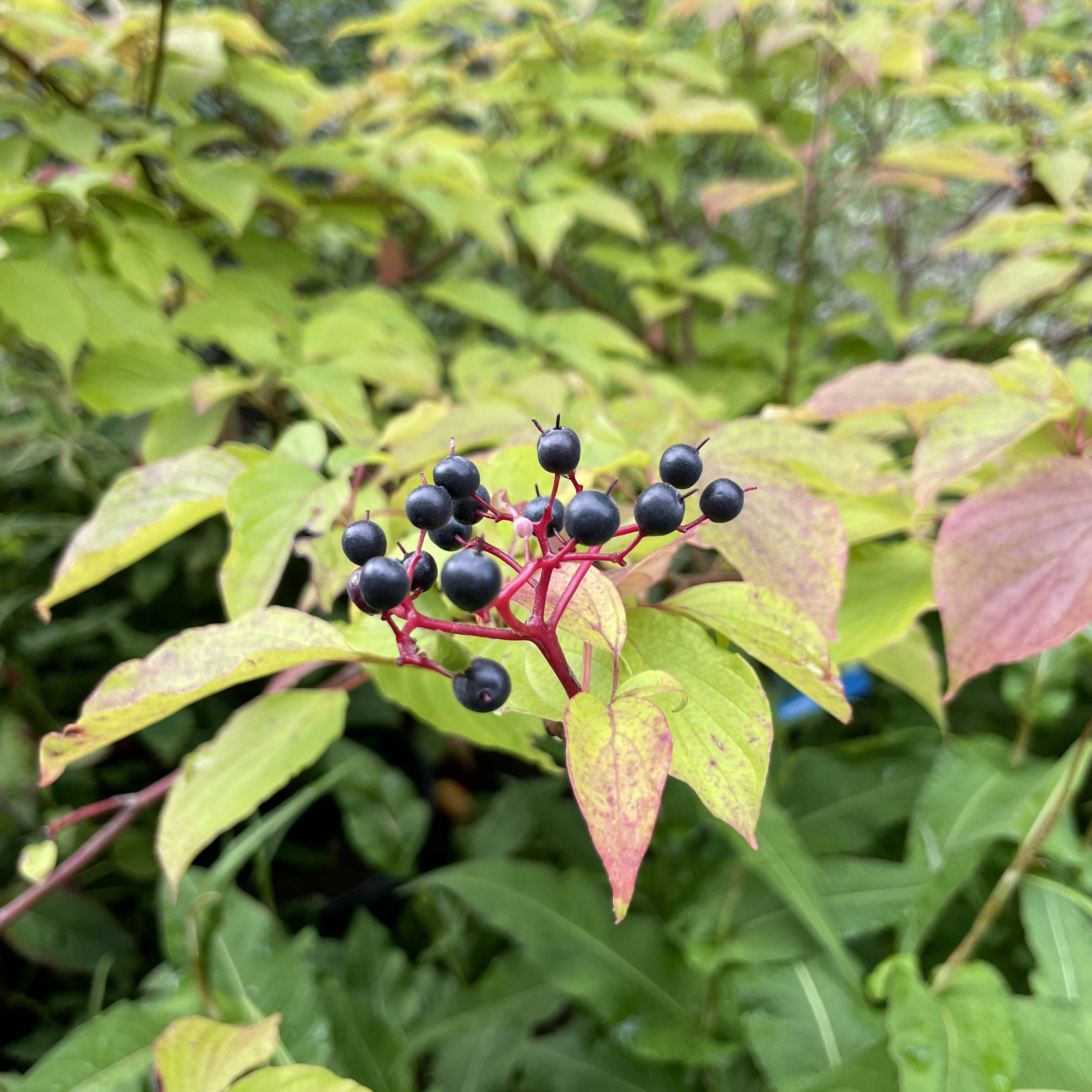
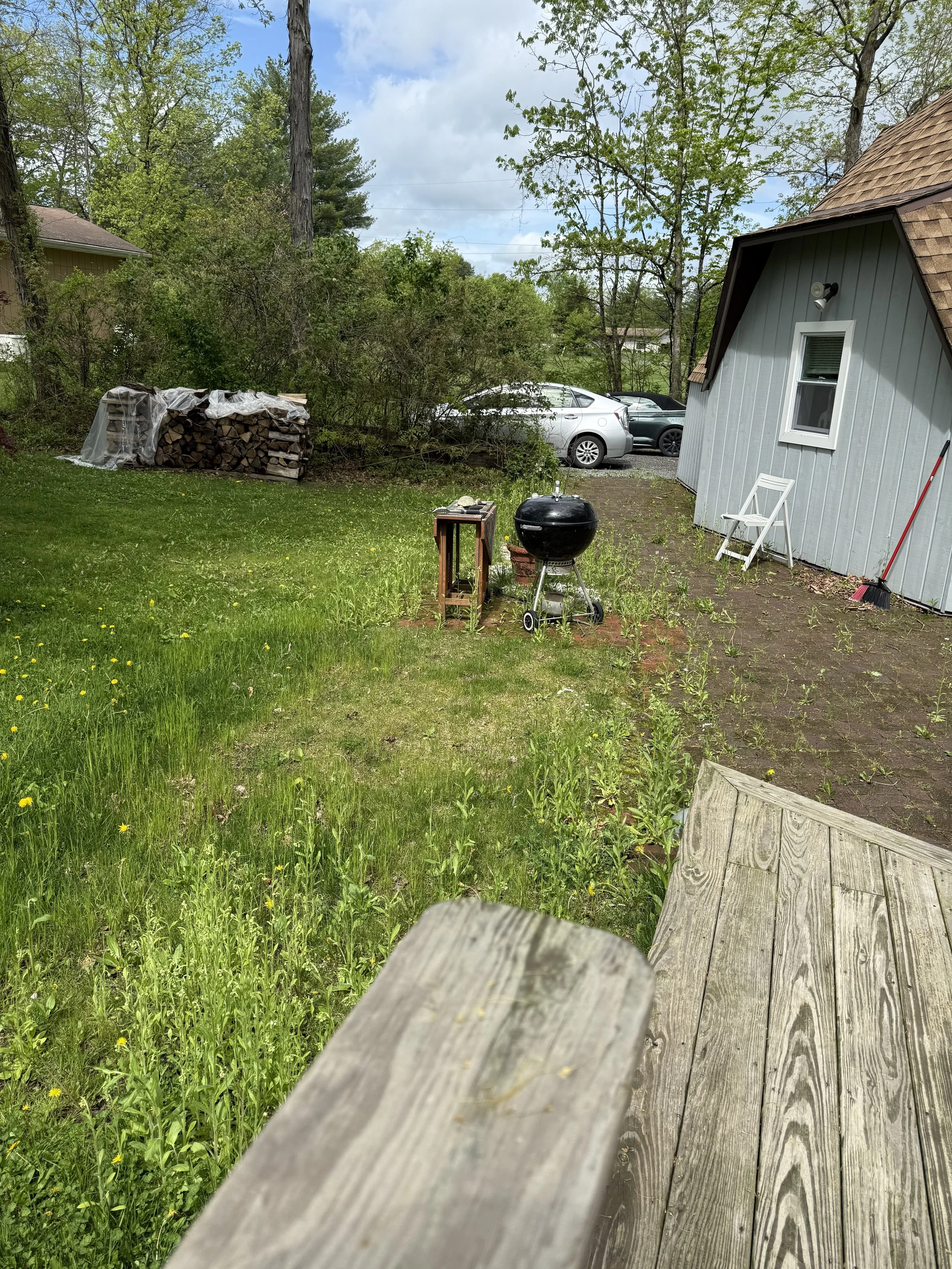
On a recent episode of the Garden Show, Victoria Coyne and Sally Spillane spoke about what to do after a wind event or other destructive weather event that wipes out trees in your area.

Here are the big questions and short answers they covered:

  • #1 reason NOT to plant White Pines or Norway Maples, and what trees should you plant?

  • Can you still plant trees or keep trees near your house?

  • Tips for pruning the survivors

Read More

Hosta and Hydrangea: Hudson Valley Classics for Good Reason

Hosta and Hydrangea: Hudson Valley Classics for Good Reason

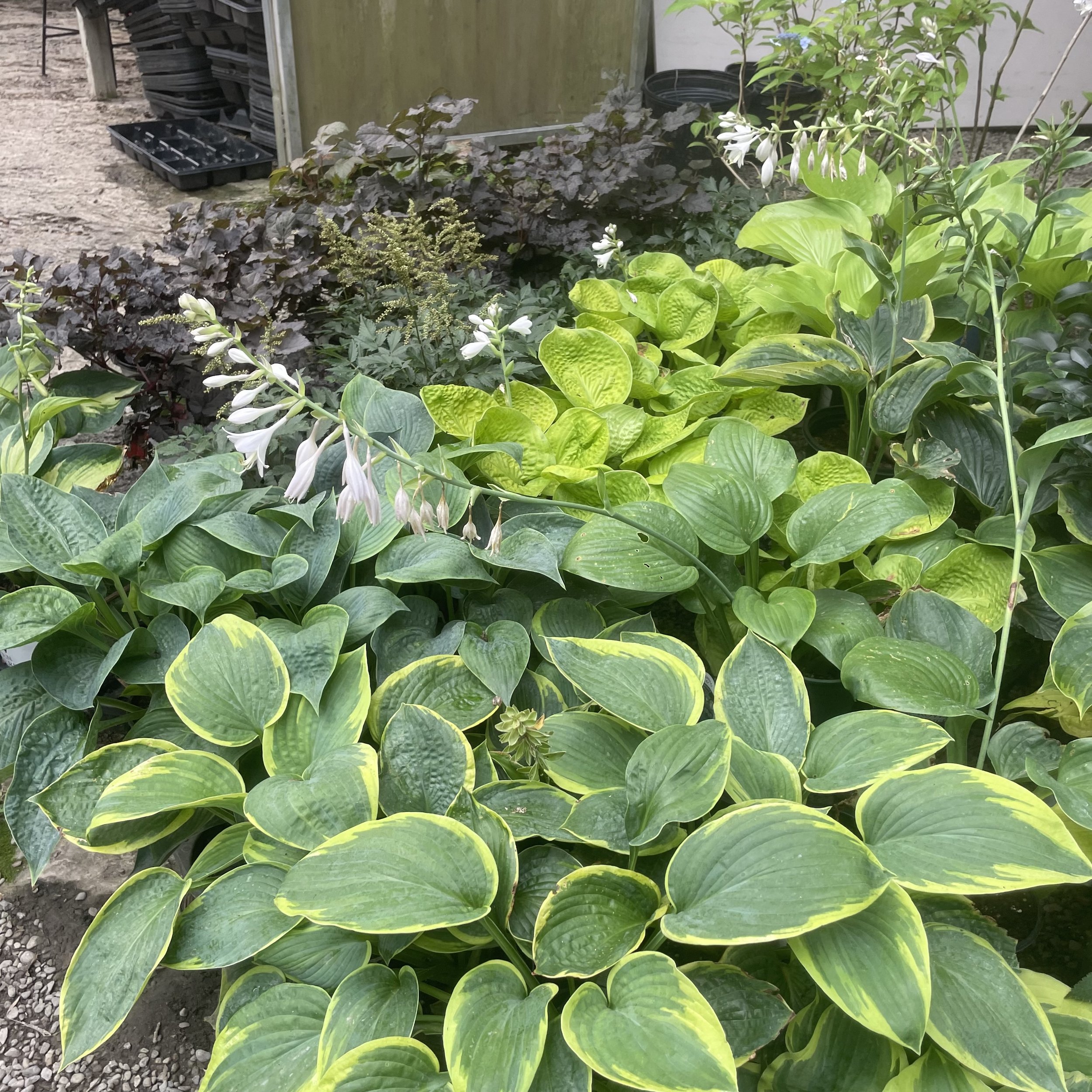
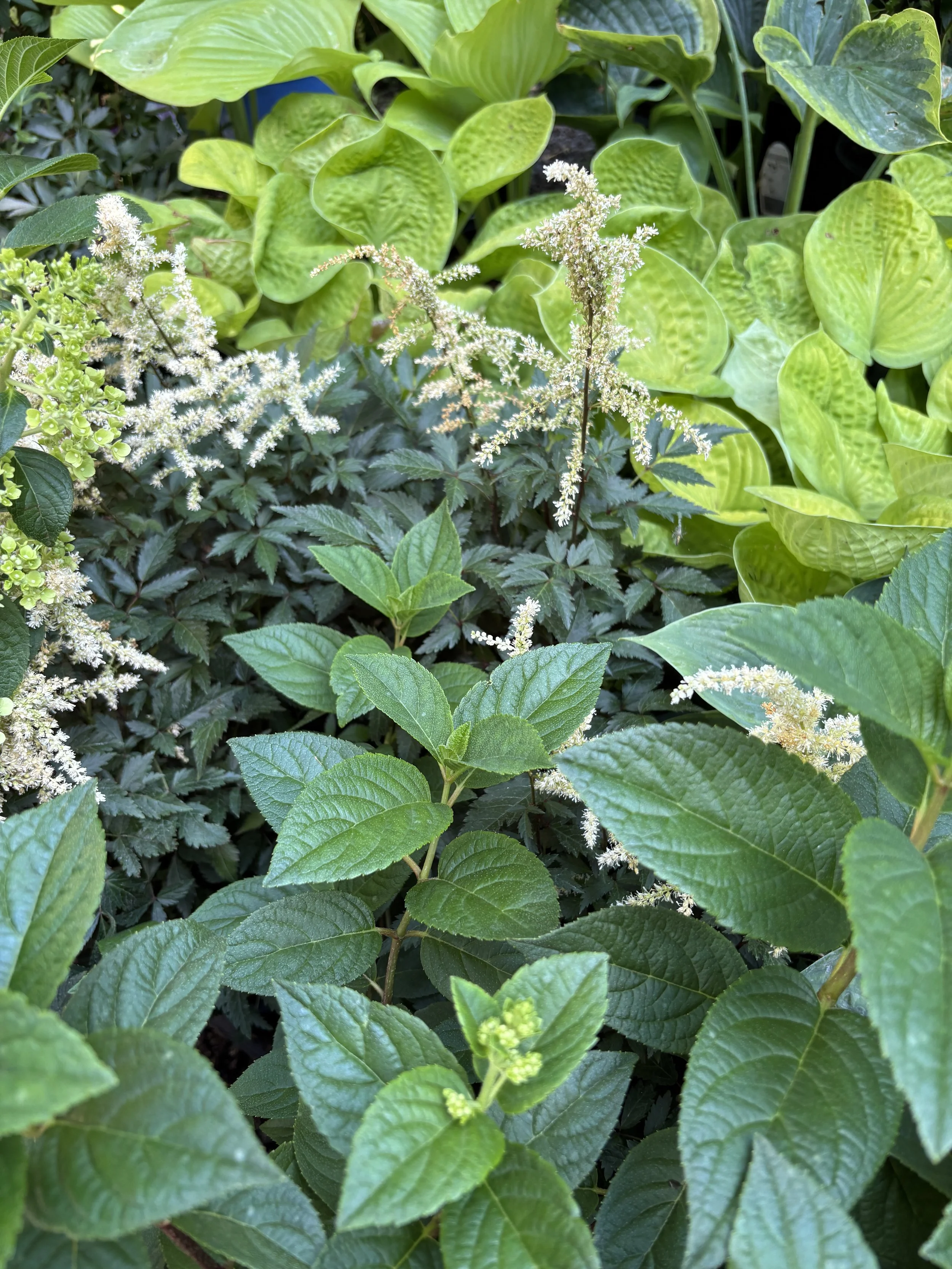
Here in the Hudson Valley, shade gardens are a common and cherished feature of the landscape. Mature maples, oaks, and sycamore trees create ideal conditions for a wide variety of plants that thrive in dappled light. For those fortunate enough to have landscapes protected from deer, hostas and hydrangeas remain reliable classics for good reason.

Read More

What to Prune When

What to Prune When

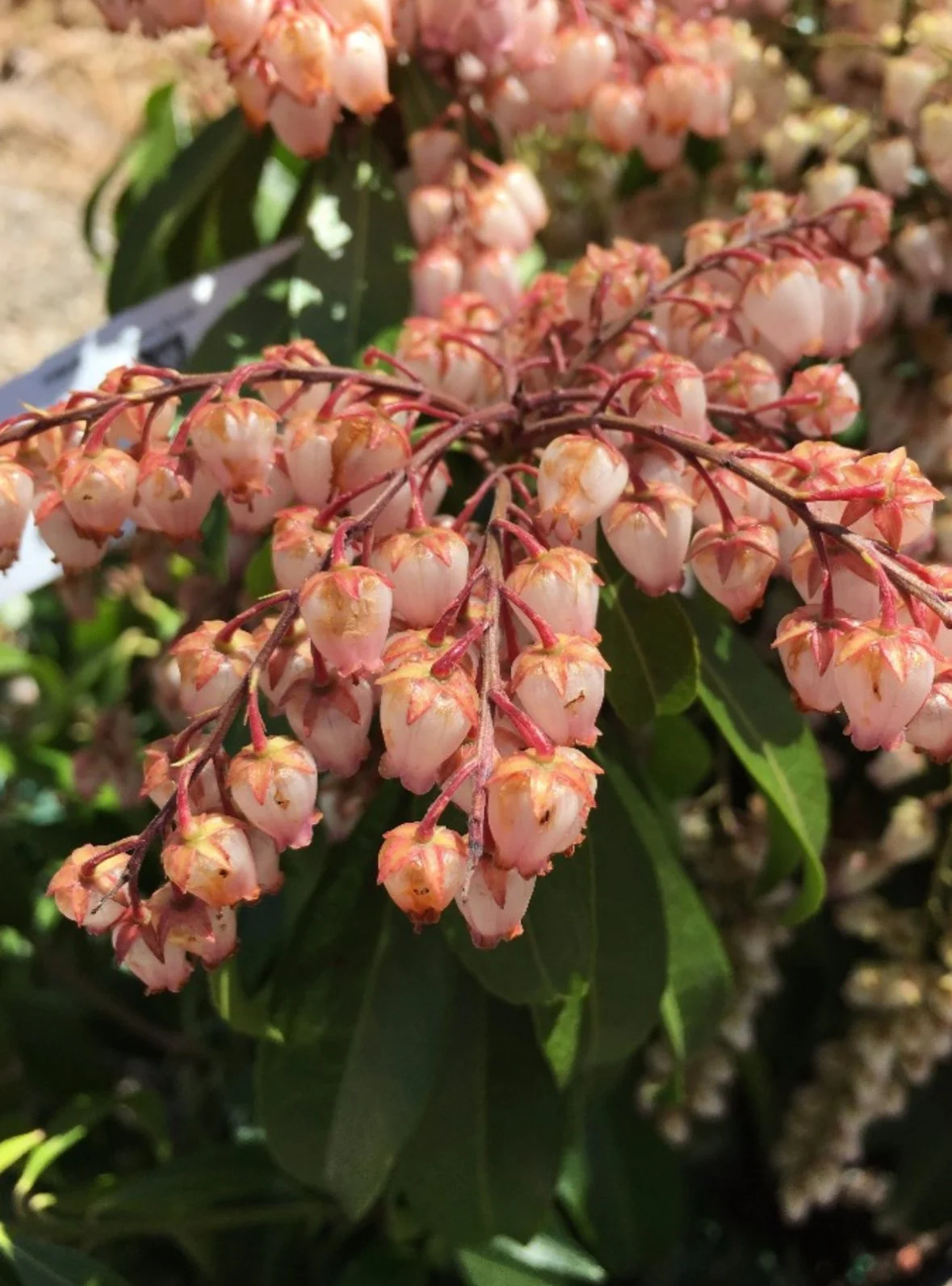
We get a lot of questions about pruning! Prune after Bloom is the general rule to follow with all flowering trees and shrubs, but there are exceptions. Right now is the time to prune Andromedea (peiris). Clip all the spent flowers off and cut down any awkward tall growth. Fertilize with Holly Tone to encourage bushy growth and next year’s blooms, which will form in early summer.

Read More

Savor Spring!

Savor Spring!

Some of spring’s most rewarding plants are also the easiest to miss. 

Woodland perennials like Epimedium bloom early in the season, so if you’re not out in the garden during the still chilly days of April and early May, you might miss them. Prized for its wiry stems of small fairy flowers and durable foliage, which in many varieties emerges with bronze or red tones before turning green for summer. It thrives in dry shade once established, making it a Victoria Gardens’ favorite for shade gardens in the Hudson Valley.

Read More

The Myth of Low-Maintenance Natives

The Myth of Low-Maintenance Natives

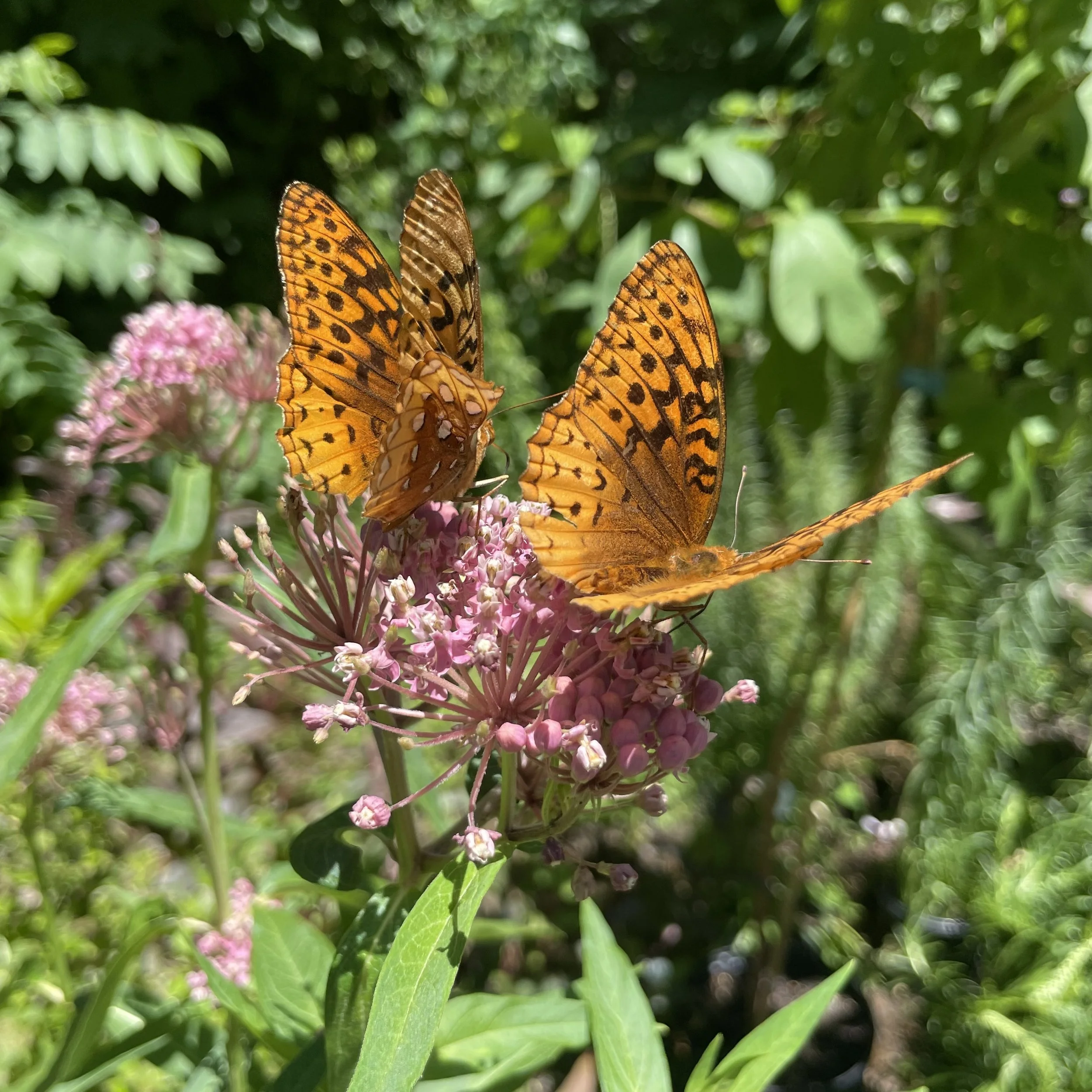
As more gardeners become aware of the environmental benefits of native plants, those gardeners sometimes mistakenly associate “native” with “easy.” Native plants do play an important role in supporting pollinators, birds, and local ecosystems. (For instance, Milkweed is where butterflies lay their eggs, and is important for their lifecycle.)  And many are resilient when matched to the right conditions. (Joe-Pye Weed thrives in moist meadows, stream edges, and and rain gardens.)

Read More

Companion Plants That Fill In When Bleeding Hearts Fade

Companion Plants That Fill In When Bleeding Hearts Fade

Bleeding hearts (Dicentra spectabilis) are graceful perennials known for their arching stems lined with heart-shaped pink and white flowers. Blooming in spring, they thrive in partial shade and moist, well-drained soil, making them ideal for woodland or shade gardens.

After flowering, the foliage often fades in summer heat, so they're best paired with later-blooming companions that fill in when bleeding hearts fade.

Read More