
Trees for Hudson Valley Gardens
/Exceptional trees for beauty, resilience, and four-season interest
The following trees have all proven themselves worthy of Hudson Valley gardens. Some are native to North America, while others are well-behaved ornamental introductions that thrive in USDA Zones 5–7. Together they offer year-round beauty, support wildlife, and add lasting value to the landscape.
Redbud 'Midnight Express'
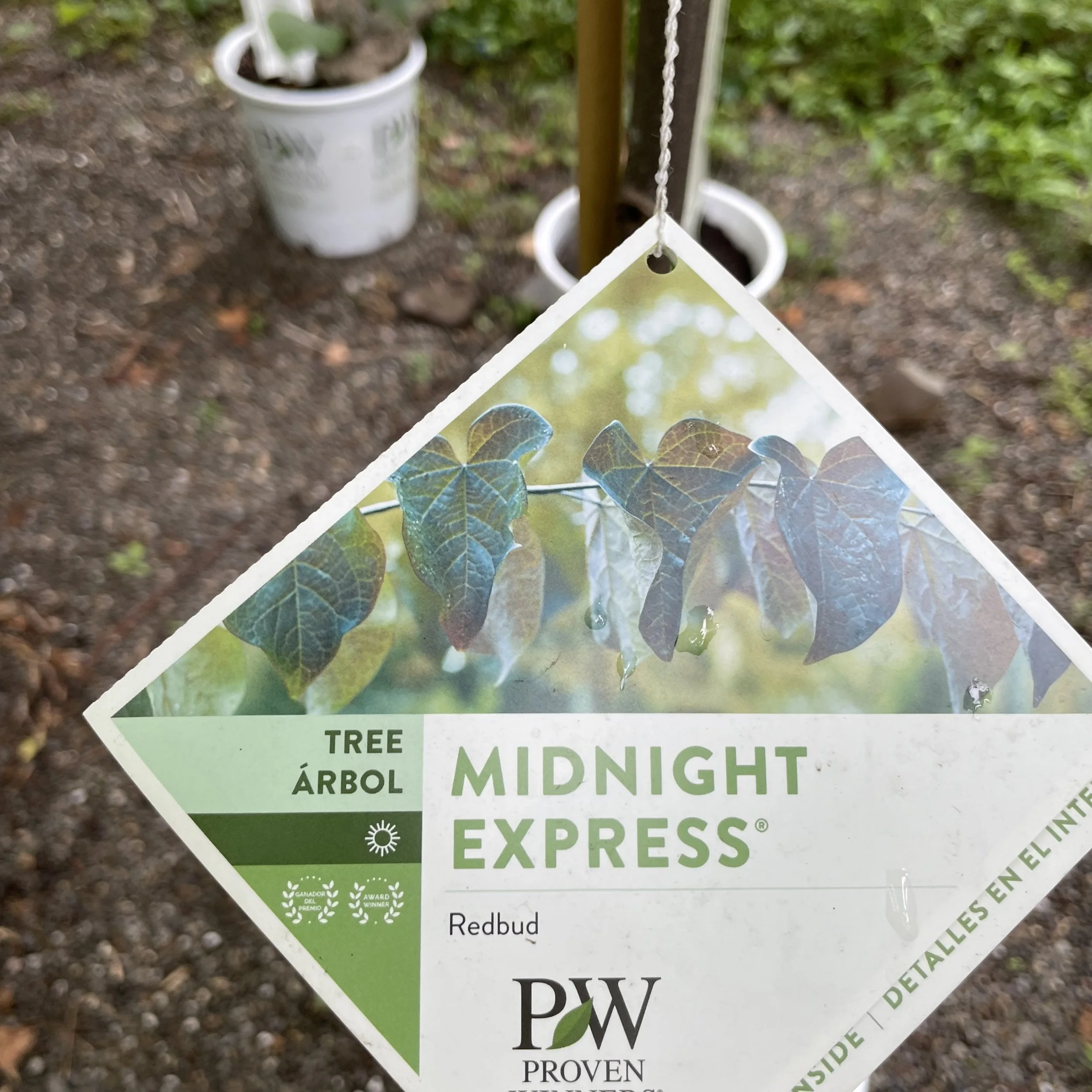
While we love all the Redbuds, one of the newest and most dramatic, 'Midnight Express' combines magenta spring flowers with dark burgundy-black foliage that holds its color well through summer. Blooming before the leaves emerge, its branches become covered in rosy-purple flowers that are among the earliest signs of spring.
Sun: Full sun to light shade
Height/Width: 20–25 ft. tall × 18–25 ft. wide
Spring Interest: Bright magenta flowers before leaves
Features: Deep burgundy heart-shaped leaves, excellent specimen tree
American Persimmon (Diospyros virginiana)
An underused native tree, the American persimmon rewards patient gardeners with sweet orange fruit that ripens after frost. Its deeply furrowed bark provides winter interest, while glossy summer foliage turns yellow to orange in autumn. The fruit is treasured by birds, foxes, deer, and people alike.
Sun: Full sun
Height/Width: 35–60 ft. × 20–35 ft.
Fall Interest: Yellow-orange foliage and edible fruit
Features: Distinctive bark, wildlife value, drought tolerant once established
American Basswood (Tilia americana)
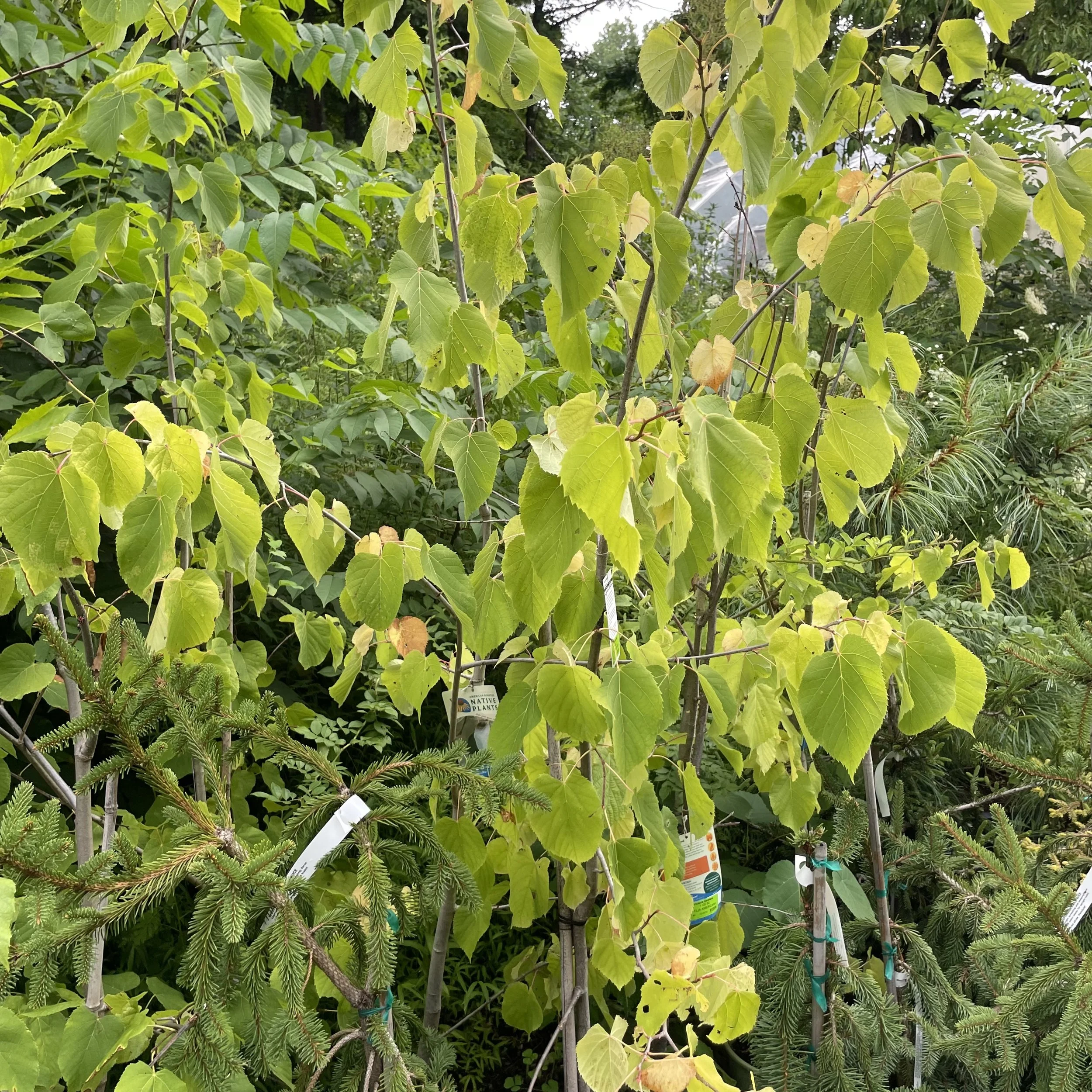
A magnificent native shade tree, American basswood develops a broad, stately canopy perfect for cooling homes and providing habitat for wildlife. In early summer it produces clusters of fragrant pale-yellow flowers that attract countless bees, making it one of North America's finest honey trees.
Sun: Full sun to partial shade
Height/Width: 60–80 ft. × 35–50 ft.
Flowering: Fragrant creamy-yellow flowers in early summer
Features: Excellent shade tree, pollinator favorite, heart-shaped leaves
Globe Scots Pine
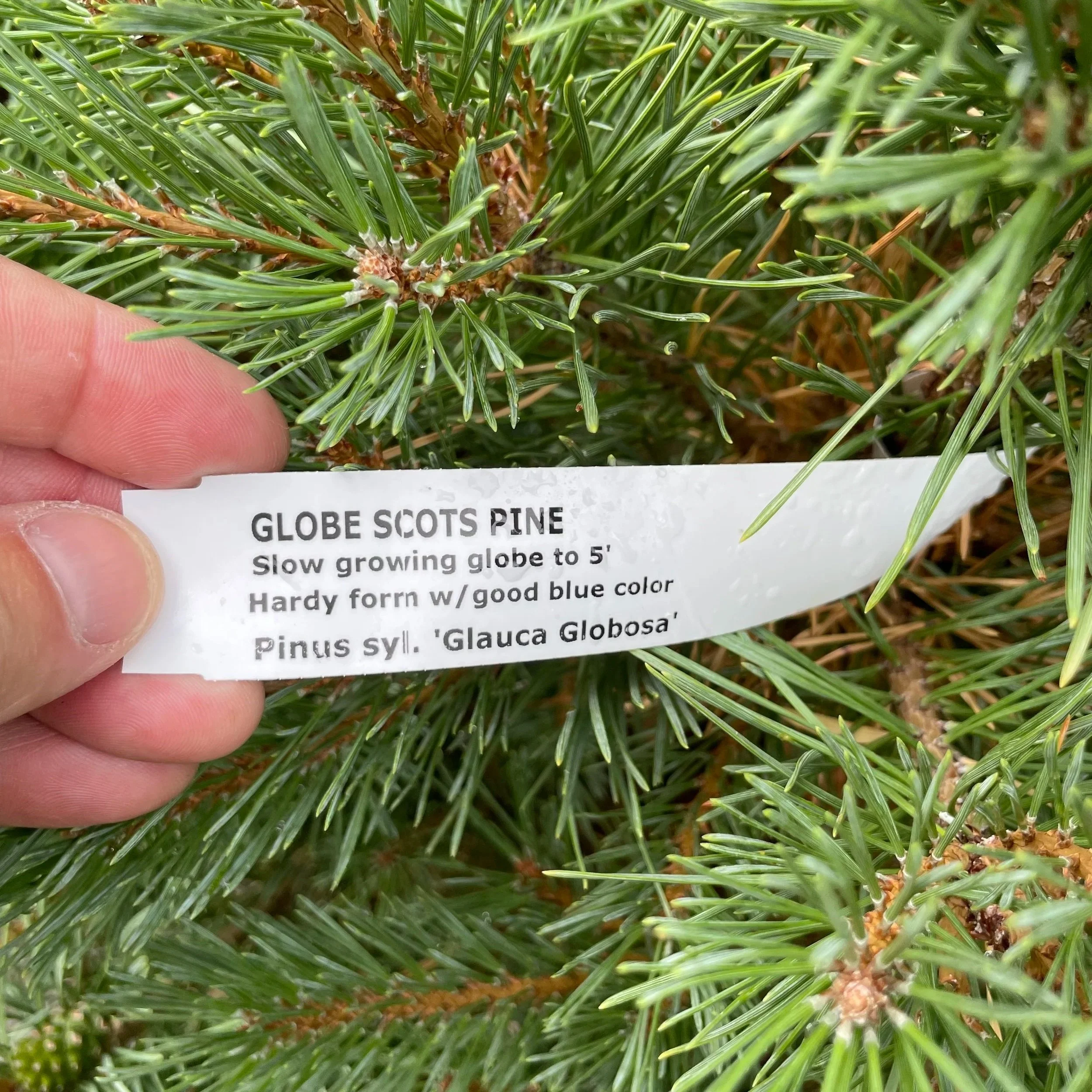
This compact evergreen forms a naturally rounded globe without frequent pruning. Dense blue-green needles provide year-round structure and make it ideal for foundation plantings, rock gardens, or mixed borders.
Sun: Full sun
Height/Width: 4–8 ft. × 4–8 ft.
Flowering: Inconspicuous
Features: Dense evergreen habit, low maintenance, excellent winter interest
Of course some Victoria Gardens’ favorites!
River Birch (Betula nigra) and Dawn Redwood (Metasequoia glyptostroboides). You can read their plant profiles in the tree recommendations section of this article.
Variegated Cornelian Cherry (Cornus mas 'Variegata')
One of the earliest trees to bloom, Cornelian cherry lights up late winter with tiny yellow flowers weeks before most plants awaken. Cream-and-green variegated leaves brighten the garden throughout summer, followed by edible red fruits.
Sun: Full sun to partial shade
Height/Width: 15–25 ft. × 15–20 ft.
Flowering: Bright yellow flowers in late winter
Features: Variegated foliage, edible fruit, outstanding early-season interest
Pagoda Dogwood (Cornus alternifolia)
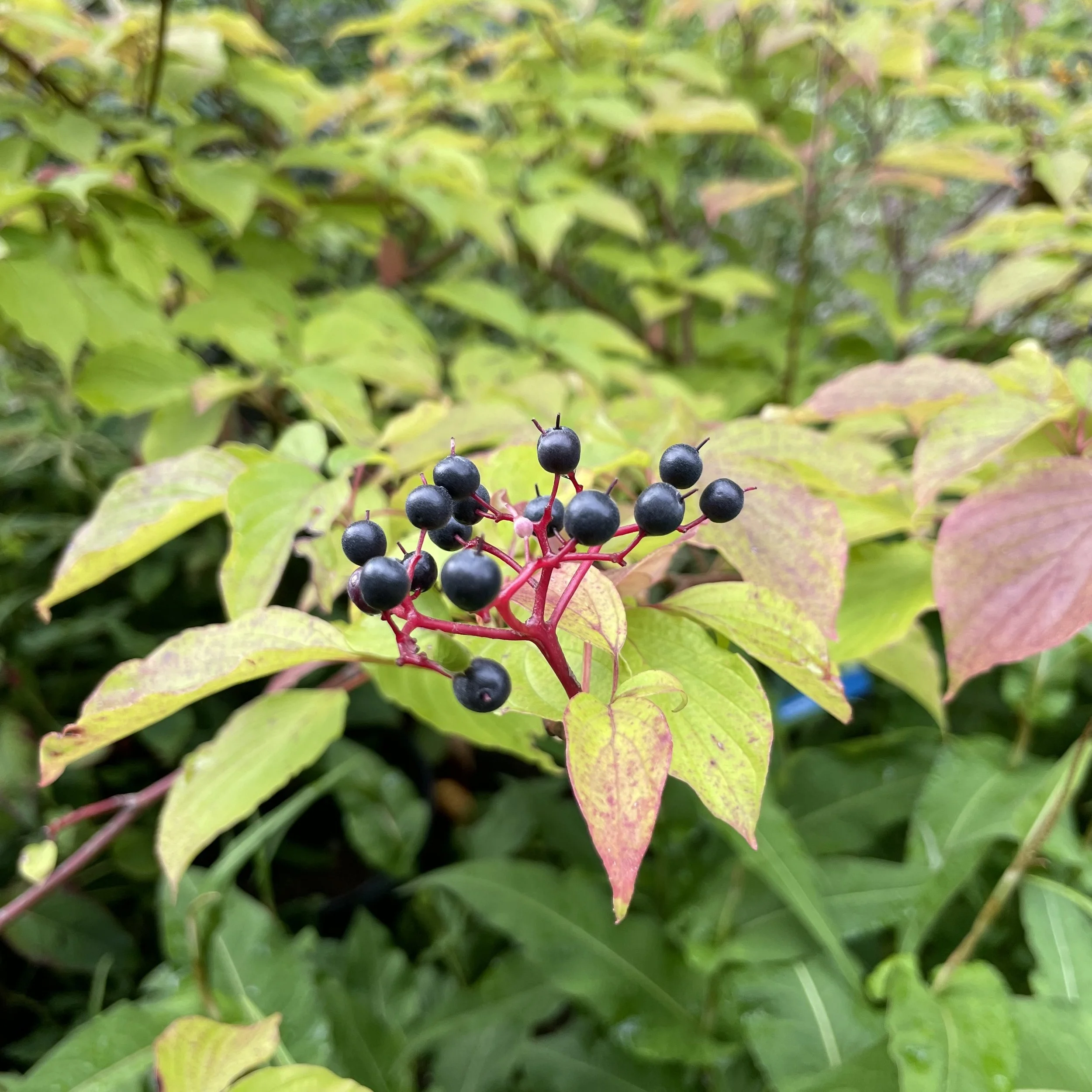
This elegant native dogwood is prized for its distinctive layered branching that resembles the tiers of a pagoda. Creamy white flower clusters appear in spring, followed by dark blue berries relished by songbirds. Rich burgundy autumn color completes the display.
Sun: Partial shade to light sun
Height/Width: 15–25 ft. × 20–30 ft.
Flowering: Creamy white flower clusters in spring
Features: Horizontal branching, bird-friendly fruit, red-purple fall color
Chinese Poliothyrsis (Poliothyrsis sinensis)
Still uncommon in American gardens, this graceful small tree deserves wider attention. In early summer it produces airy sprays of creamy-white flowers, followed by attractive papery seed capsules that remain decorative into autumn.
Sun: Full sun to partial shade
Height/Width: 20–35 ft. × 15–25 ft.
Flowering: Creamy white flower panicles
Features: Decorative seed capsules, unusual specimen tree, refined appearance
Golden Rain Tree (Koelreuteria paniculata)
Golden rain tree delivers one of the finest late-summer floral displays of any ornamental tree. Large panicles of golden-yellow flowers are followed by distinctive papery lantern-like seed pods that mature from green to bronze and pink.
Sun: Full sun
Height/Width: 30–40 ft. × 30–35 ft.
Flowering: Large yellow flower panicles in midsummer
Features: Decorative seed pods, drought tolerant, yellow fall foliage
Yellowwood (Cladrastis kentukea)
Native to the southeastern United States but perfectly hardy in the Hudson Valley, yellowwood is one of the most elegant flowering shade trees available. Long, fragrant white flower clusters hang beneath the branches in late spring, creating a spectacular display. Smooth gray bark and brilliant golden fall foliage add beauty throughout the seasons.
Sun: Full sun to light shade
Height/Width: 30–50 ft. × 35–50 ft.
Flowering: Long fragrant white flower clusters in late spring
Features: Smooth gray bark, golden autumn color, graceful branching
Choosing the Right Tree
When selecting a tree, consider not only its mature size but also your site's soil, drainage, and available sunlight.
Large canopy trees such as basswood, dawn redwood, and river birch become legacy trees that provide shade for generations.
Medium-sized ornamentals like redbud, pagoda dogwood, Cornelian cherry, and yellowwood offer exceptional seasonal displays for residential landscapes.
For smaller gardens, Globe Scots Pine provides evergreen structure year-round, while the uncommon Chinese poliothyrsis offers a conversation-worthy specimen.
With thoughtful placement and proper care during the first few years after planting, each of these trees can become a lasting centerpiece in a Hudson Valley landscape.